Local detail
How Local Conditions Play In
Across the six named areas we work in - Vilano Beach, St. Augustine South, St. Augustine Beach, St. Augustine Shores, Butler Beach, and the Historic District - most of the housing went up between 1982 and 1994, with a median build year around 1987. That's a specific window. Openers from that era are chain-drive units with light-duty logic boards, and a lot of the original torsion springs on these houses are now past 30 years of cycling.
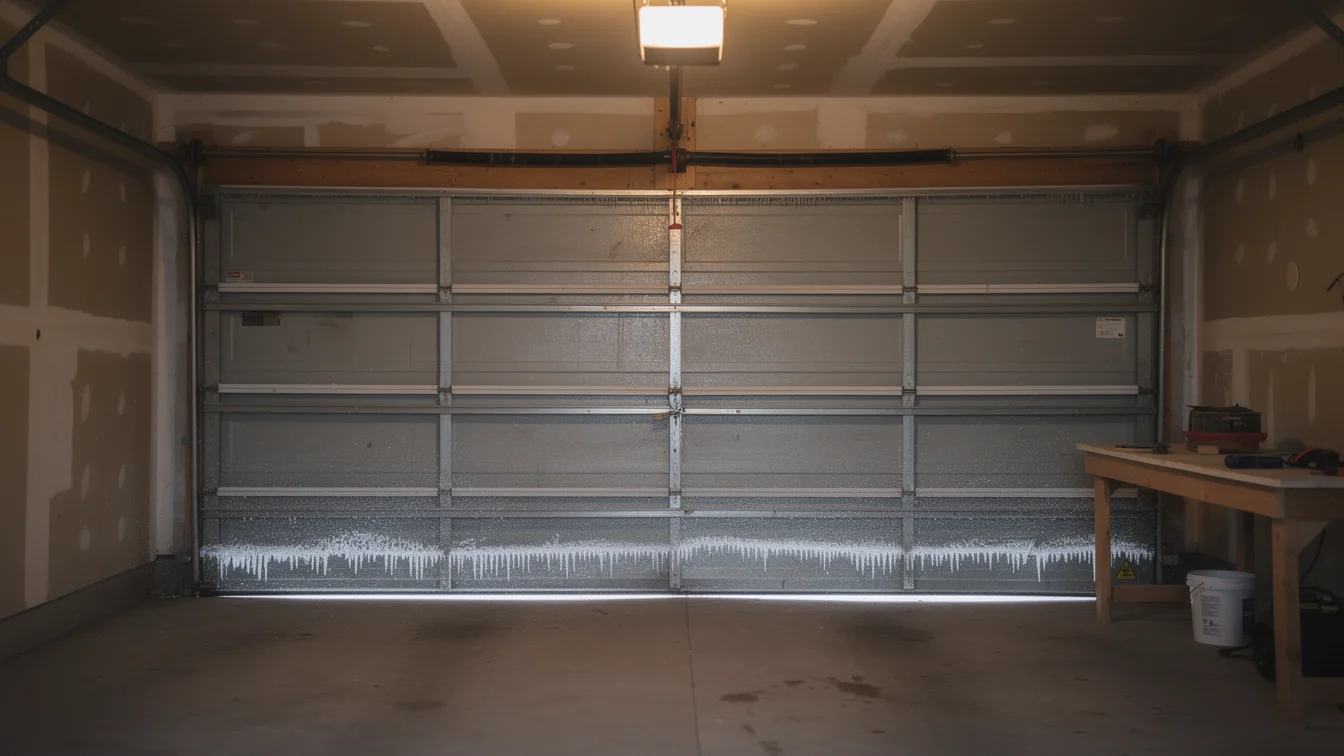
The mild temperate climate here doesn't put the same stress on hardware that freeze-thaw regions see. You're not dealing with ice splitting weatherstripping or extreme cold snapping a brittle spring overnight. What you get instead is steady humidity and salt air, especially the closer you are to Vilano Beach or Anastasia, working on bare metal year-round. Corrosion creeps instead of striking all at once, which means a lot of owners don't notice a weakening spring or a rusted hinge until it fails mid-cycle.
So the maintenance picture here isn't about hardening against a winter event. It's about a door that's been quietly aging under salt humidity for three to four decades, on hardware that was standard for its time but isn't built the way current doors are.
The area
What Is Going On
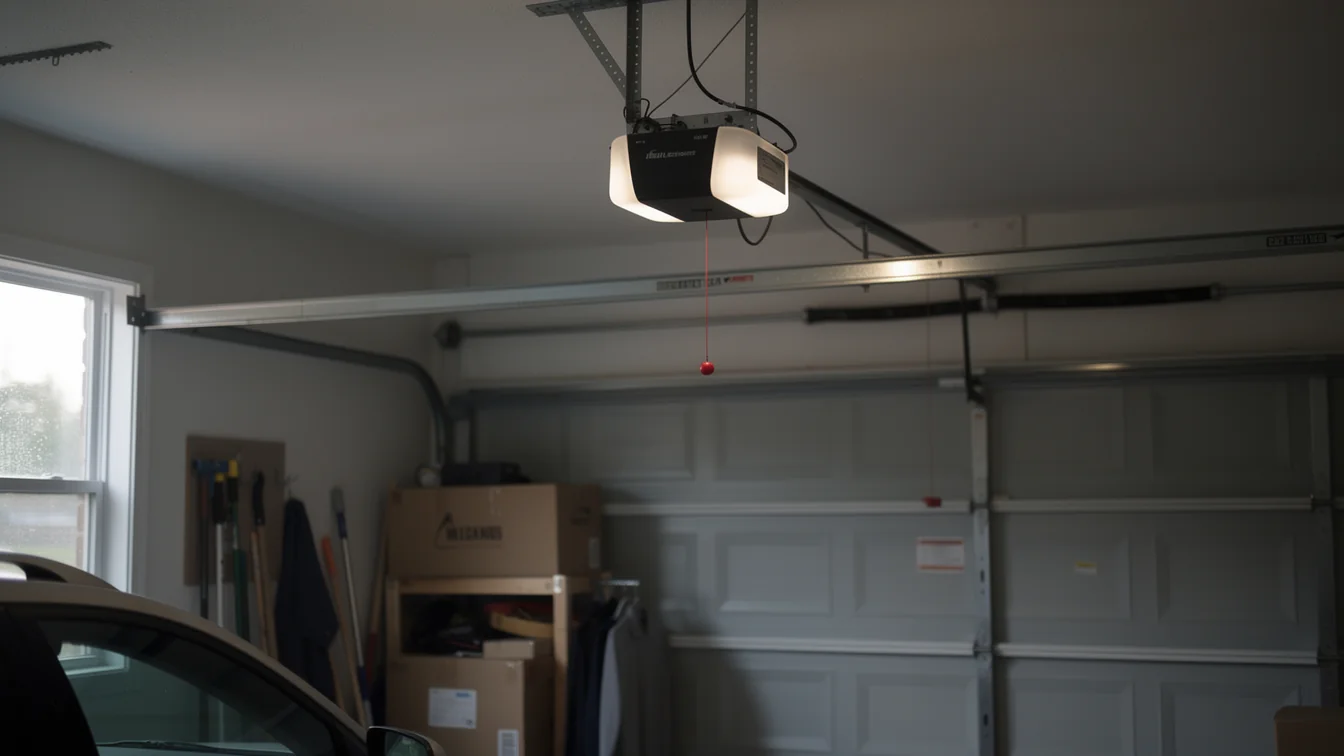
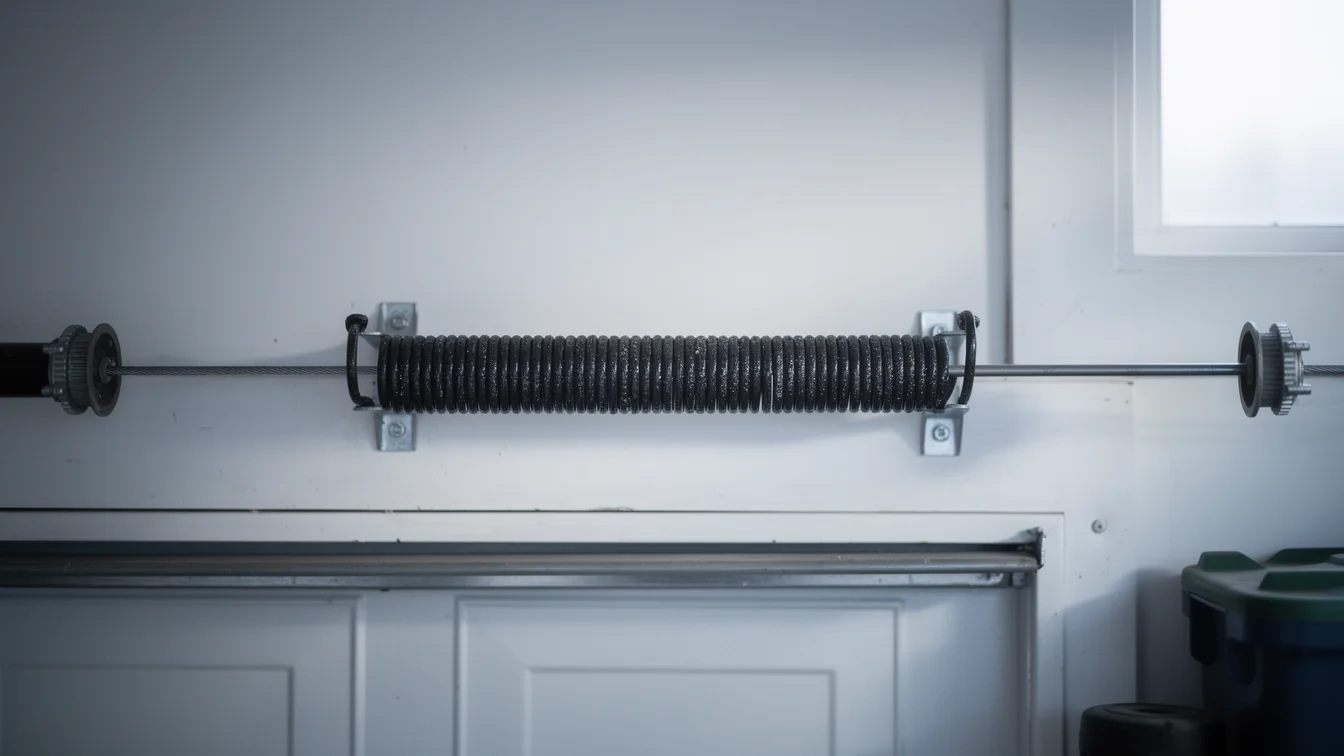
On a house built in the mid-to-late 1980s, the door itself has usually been replaced at least once, but the track, the header bracket, and sometimes the opener are original. The giveaway is a torsion spring with visible rust pitting, or an opener with a manual-reverse lever instead of a safety sensor - that's pre-1993 hardware, and a fair number of houses in St. Augustine South and the Shores still have it.
Salt air corrosion shows up first on the small stuff: hinge pins, roller shafts, the spring cone bolts. None of it looks dramatic until a cable frays through or a spring loses enough tension that the door won't hold itself halfway open. In a mild climate you don't get the dramatic cold-snap failures some regions see, but you get a slower version of the same problem - metal fatigue plus corrosion, running quietly for years before something gives.
With 9,728 owner-occupied houses across the service area and most of that stock concentrated in this one build window, this isn't a rare profile. It's the normal call.
What we find
What to Check
Start with the springs. If you can see rust on the coils or the cones, or the door feels heavier than it used to when you lift it manually with the opener disconnected, that's wear from the salt air, not just age on its own.
Check the hinges and rollers next. Pitting or a rough, gritty feel when the door moves usually means corrosion has gotten past the finish and into the base metal - common on houses near Vilano Beach, St. Augustine Beach, and Butler Beach where the air carries more salt.
Look at the opener's safety reversal. Push a block of wood under the door as it closes. If it doesn't reverse immediately, stop using it - that's a 1980s-era logic board or a missing photo-eye retrofit, and it's not something to leave alone.
Finally, check the bottom seal and track alignment. Thirty-plus years of settling on these foundations can throw a track out of square by a few degrees, which shows up as a door that drags on one side.
How we work
When to Get Help
Call before the spring finishes failing, not after. A spring under tension that's visibly corroded can let go while someone's hands are on it, and that's not a DIY fix regardless of how simple it looks.
If your opener still has a manual-reverse lever and no photo-eye sensors, that's worth a call on its own - not because it's about to break, but because it doesn't meet current safety expectations, and parts for boards that old are getting harder to source.
One limitation worth saying plainly: if your door and opener are both original to a house built in the late 1980s, repair parts for that specific logic board or spring size sometimes aren't stocked anywhere nearby, and replacement ends up being the honest answer rather than a patch. We'll tell you when that's the case instead of running up a bill chasing a part that's obsolete.
For anything short of that - a stuck track, a corroded hinge, a spring that's starting to sound different - it's worth a look before it becomes an emergency call. Get in touch.
Talk to a local pro
Garage door trouble in Saint Augustine?
Same-day service with honest, upfront quotes.