Local detail
How Local Conditions Play In
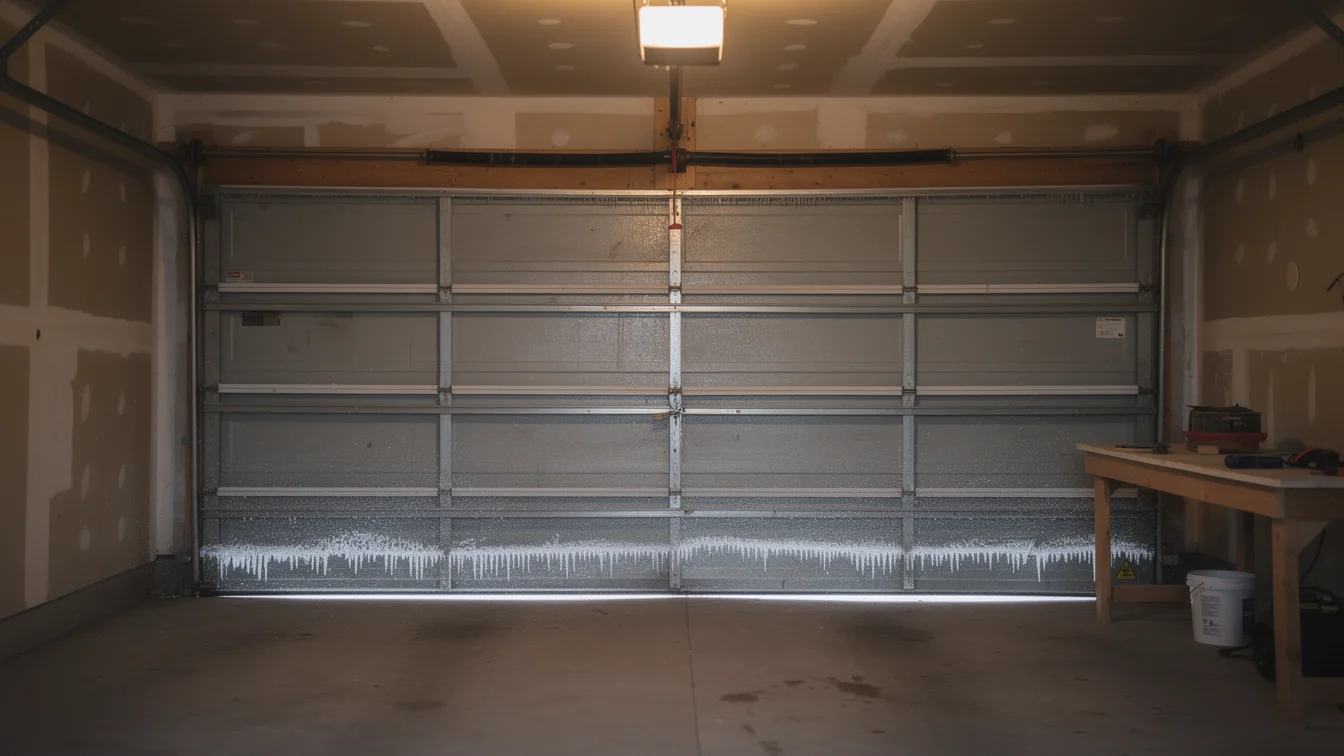
Most houses across this service area, from Vilano Beach down to St. Augustine Shores, went up between 1982 and 1994, with the typical build year sitting around 1987. That matters more than people think. Doors and openers from that window are mid-life or past it, and a lot of the original hardware is the first-generation steel track and spring setups that builders put in during that run. We're not dealing with century-old carriage doors or brand-new builds - we're dealing with a consistent band of 30-to-40-year-old equipment across six named pockets of town. That means the failure patterns repeat house to house: same rollers, same spring gauges, same opener-era wiring. The mild temperate climate here helps some - we don't get the hard freeze-thaw cycling that snaps springs up north - but the coastal air moving off Vilano and Anastasia brings steady humidity and salt that corrodes springs, hinges, and track bolts faster than a dry inland town would see. So a service call here is really two things at once: checking hardware that's aging out on a predictable schedule, and checking for the corrosion that mild-but-humid coastal air causes quietly, year after year.
The area
What Is Going On
On most calls in houses from this 1982-1994 band, the door itself is usually fine - it's the moving parts around it that have worn down. Torsion springs lose tension gradually; a spring rated for a certain cycle count from the late 80s is well past where it should still be working smoothly. Rollers on original steel track pit and rust at the coastal edges of town, around Vilano Beach and Anastasia, faster than they do further inland near St. Augustine Shores. Openers from that same era, if they haven't been swapped out, run on older drive systems that strip gears rather than fail outright, so the door starts slowing down before it stops. None of this is dramatic. It's wear that matches the age of the housing stock, not damage from one bad storm or one bad day.
What we find
What to Check
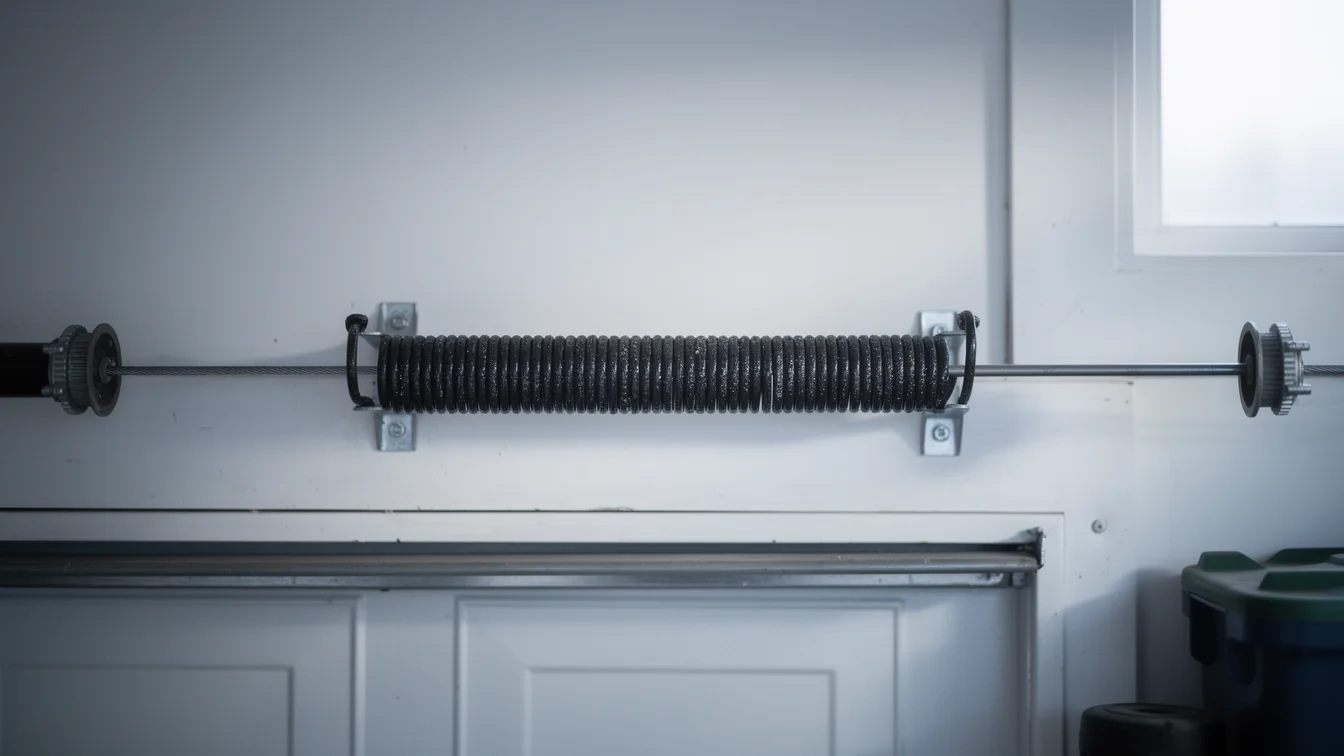
Start with the springs - look at the coil for rust pitting or gaps where the coils don't sit tight, common on original-era torsion springs after 30-plus years in coastal humidity. Check the rollers next; if they're the original steel ones, listen for grinding as the door moves, especially on houses closer to Vilano Beach or Butler Beach where salt air sits heavier. Look at the track bolts and brackets for surface rust, which shows up here well before it would in a dry inland climate. Test the opener's travel - if it hesitates or reverses before fully closing, that's a wear symptom, not usually a safety sensor issue. None of this requires tools beyond a flashlight and a few minutes, but it tells you whether you're looking at a tune-up or a bigger repair.
How we work
When to Get Help
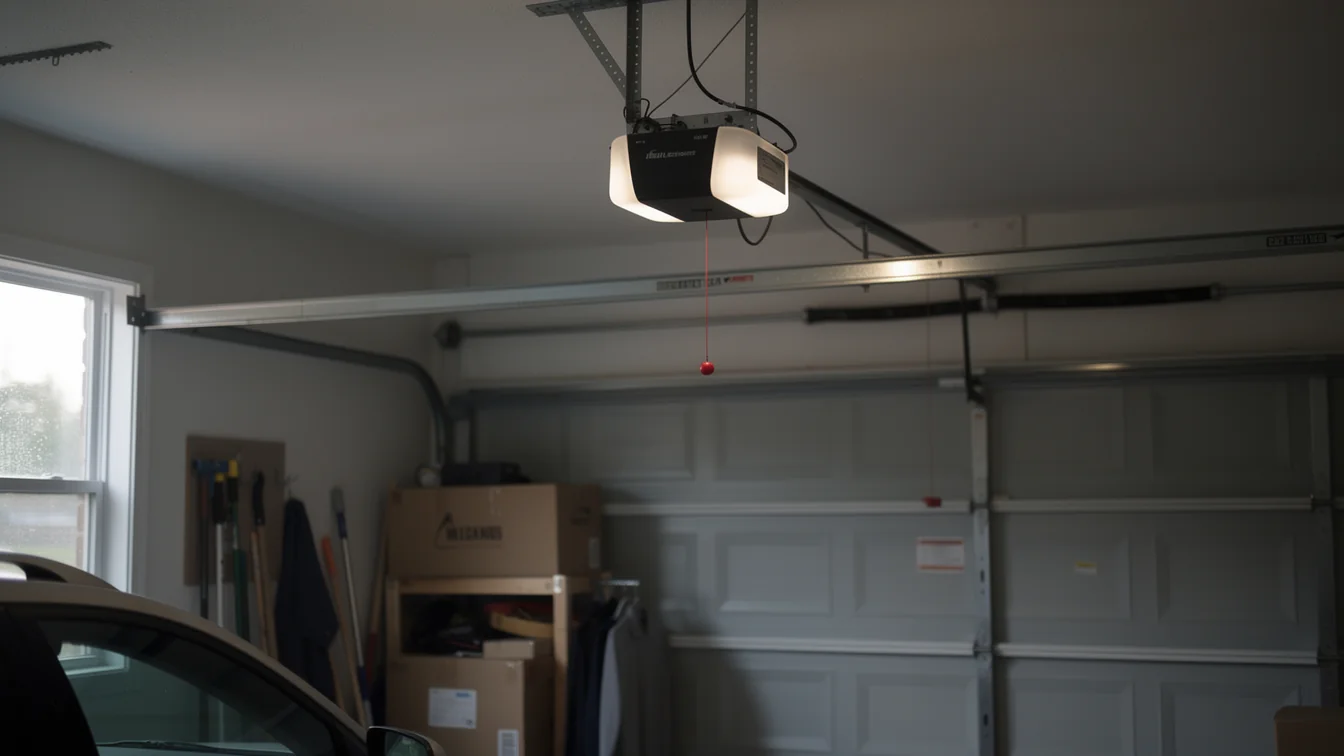
Call when the spring shows visible rust separation or the door won't stay up on its own - that's not a DIY fix, and a 1980s-era torsion spring under tension is dangerous to touch. Call if the opener grinds or stalls partway through its cycle; on original-era units, that's often the gear set giving out, and running it longer just strips the housing further. We'll be honest about one limit up front: if the opener or track is original to a 1987-era build and parts for that specific unit are long discontinued, replacement is usually the better call than chasing a repair that won't hold. Across the roughly 9,728 owner-occupied houses we see calls from, that's a conversation we have often, not an exception.
Talk to a local pro
Garage door trouble in Saint Augustine?
Same-day service with honest, upfront quotes.