Local detail
How Local Conditions Play In
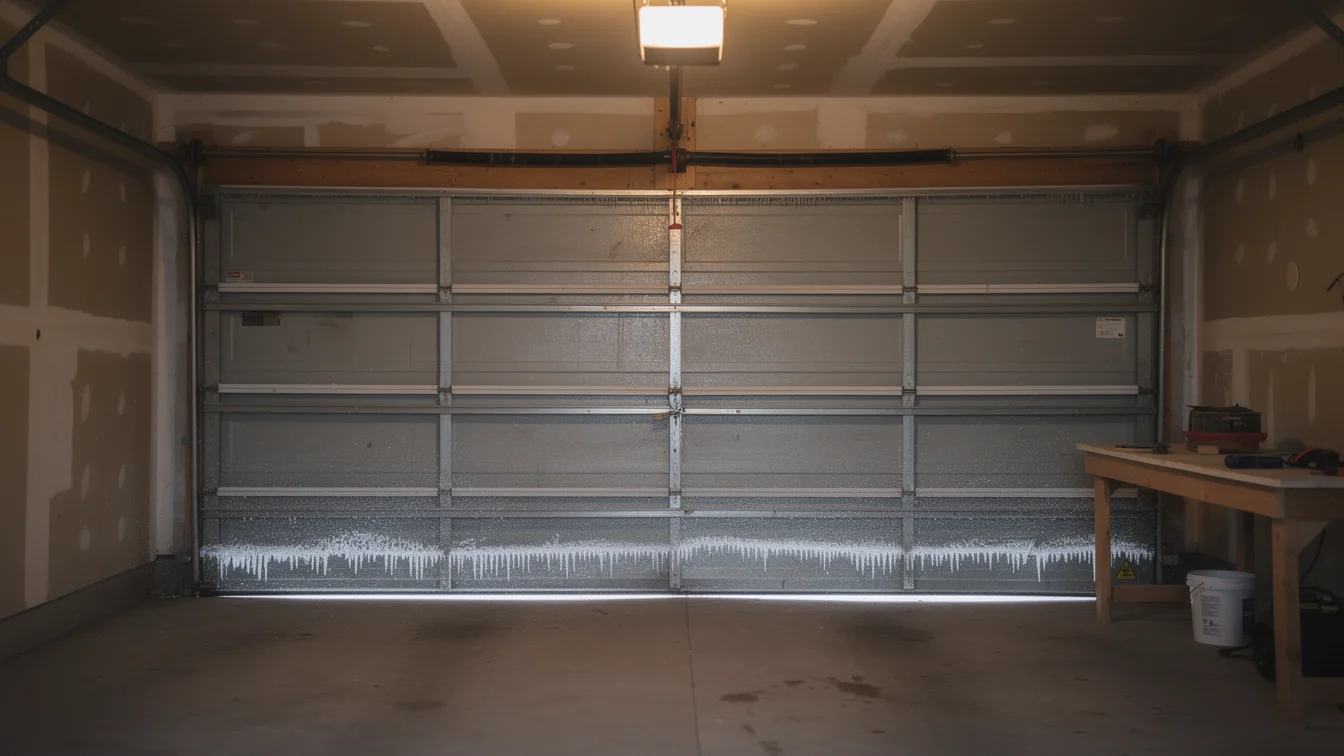
Saint Augustine sits in a mild temperate band, which changes the math on garage door wear compared to places that see hard freezes. Steel torsion springs and roller tracks here don't go through the same expansion-and-contraction cycle that cracks hardware up north, so when a spring finally lets go in this area, it's almost always age and cycle count catching up with it, not weather stress.
The bigger factor is what's actually hanging in the opening. Across the six named areas in this service territory - Vilano Beach, St. Augustine South, St. Augustine Beach, St. Augustine Shores, Butler Beach, and Crescent Beach - the housing stock is overwhelmingly 1980s and 90s construction, with the Historic District and Anastasia filling out the rest of the coverage area. A door installed when a house was built in, say, 1987 has had three-plus decades of coastal humidity and salt-laden air working on its hardware even without any dramatic storm event to point to. That slow, steady exposure is the local condition that matters most, more than any single weather extreme.
The area
What Is Going On
Median build year here is 1987, and that number tells you more than it looks like. Doors on houses built before insulation rules became standard are usually single-layer steel panels on steel tracks with galvanized springs sized for the lighter door weight of that era. None of that is bad engineering - it's just old engineering, and openers from the same install rarely have the safety-reversal sensors or rolling-code technology that came standard later.
What you're actually looking at in most of these homes is original or near-original equipment nearing the end of its practical service life. Springs rated for 10,000 cycles get there faster than owners expect once you count twice-daily openings over 35+ years. Rollers wear oval instead of round. Opener gearing that once lifted smoothly starts to strain, especially on the heavier doors some owners add later without upgrading the spring to match. None of this is a climate failure - it's a calendar problem, and the calendar on a 1987 door has caught up.
What we find
What to Check
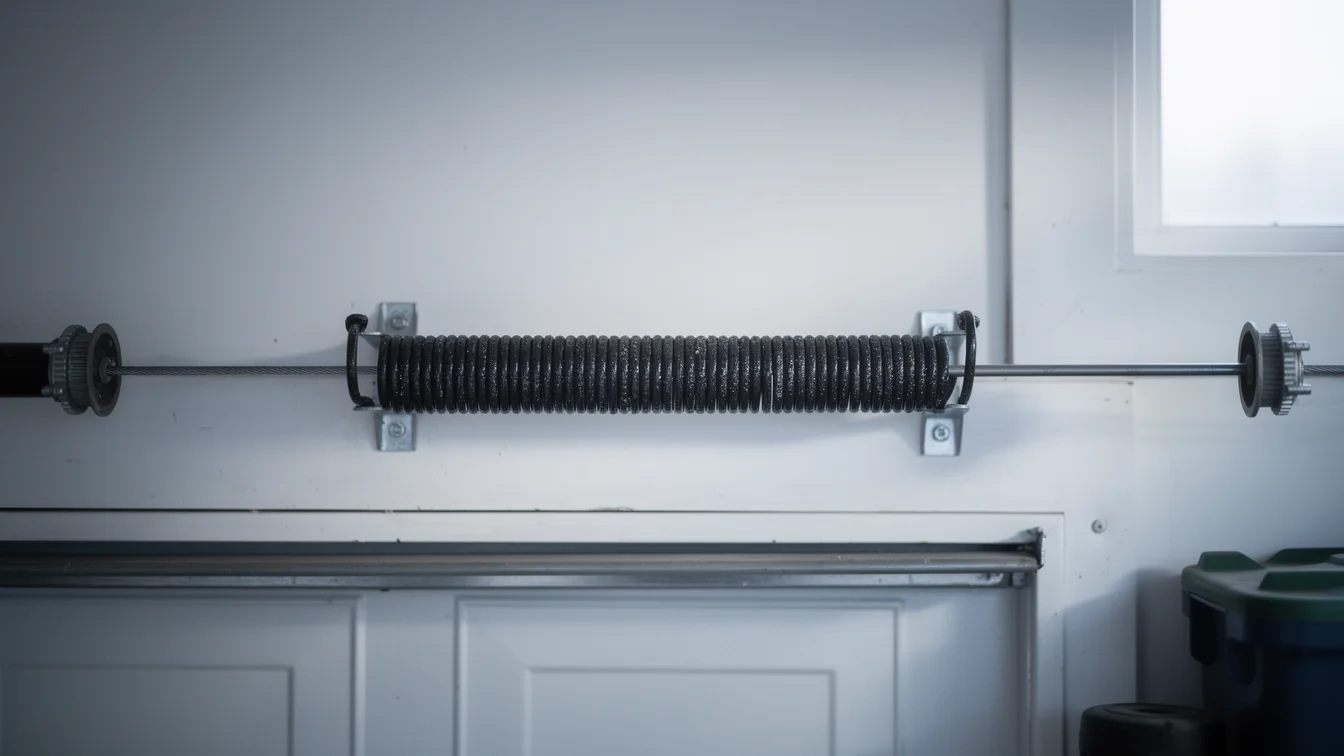
Start with the spring. On a door from the 1982-1994 build window, look for visible gaps in the coil or flat spots where the metal has started to fatigue - that's a sign it's closer to failure than to full strength. Next, grab the bottom of the door with the opener disconnected and lift by hand. It should move smoothly and hold position roughly where you let go. If it drops or shoots up, the spring tension is off and that's not a DIY adjustment on a door this old.
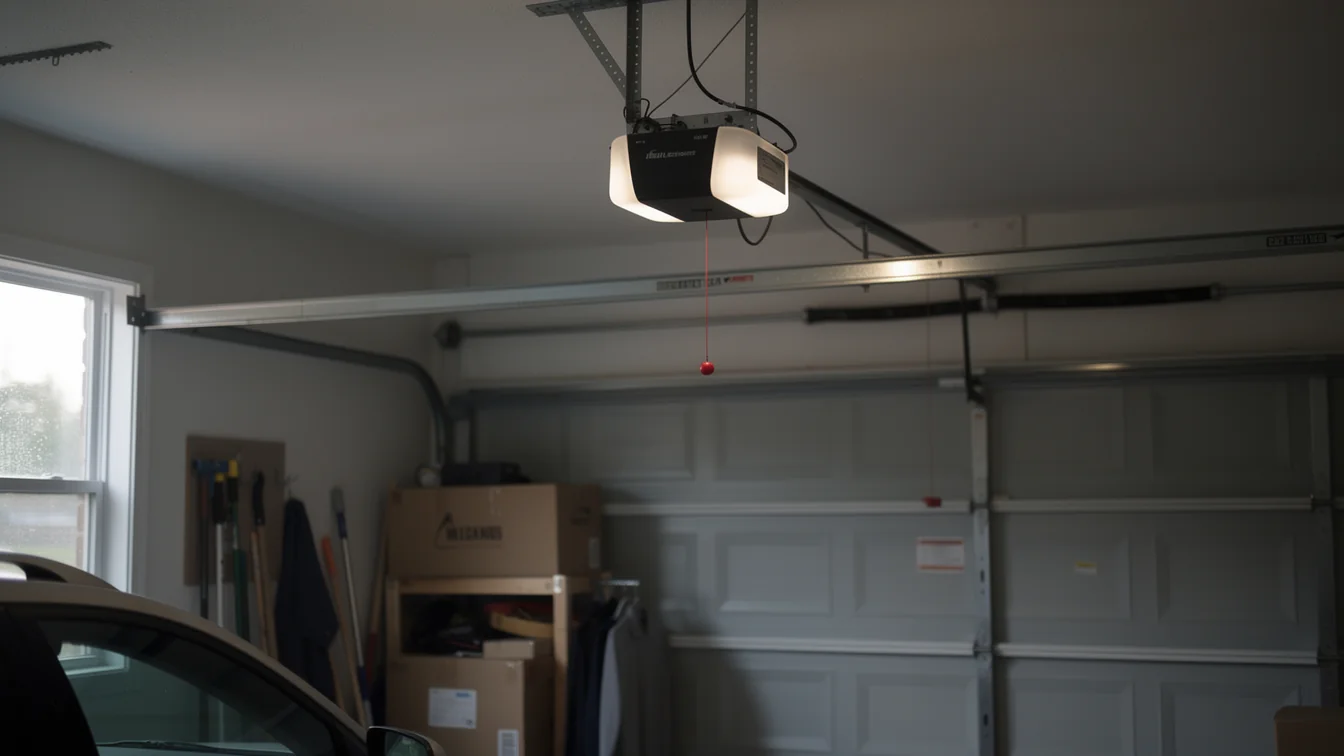
Check rollers for flat sides or rust pitting, and look at the track for rust streaks near the bottom brackets, more common closer to the beach areas. If the opener is original to a house from this era, test the auto-reverse safety feature by placing a piece of wood on the ground under the closing door. If it doesn't reverse, that unit predates safety standards you don't want to rely on and it's worth replacing outright rather than patching.
How we work
When to Get Help
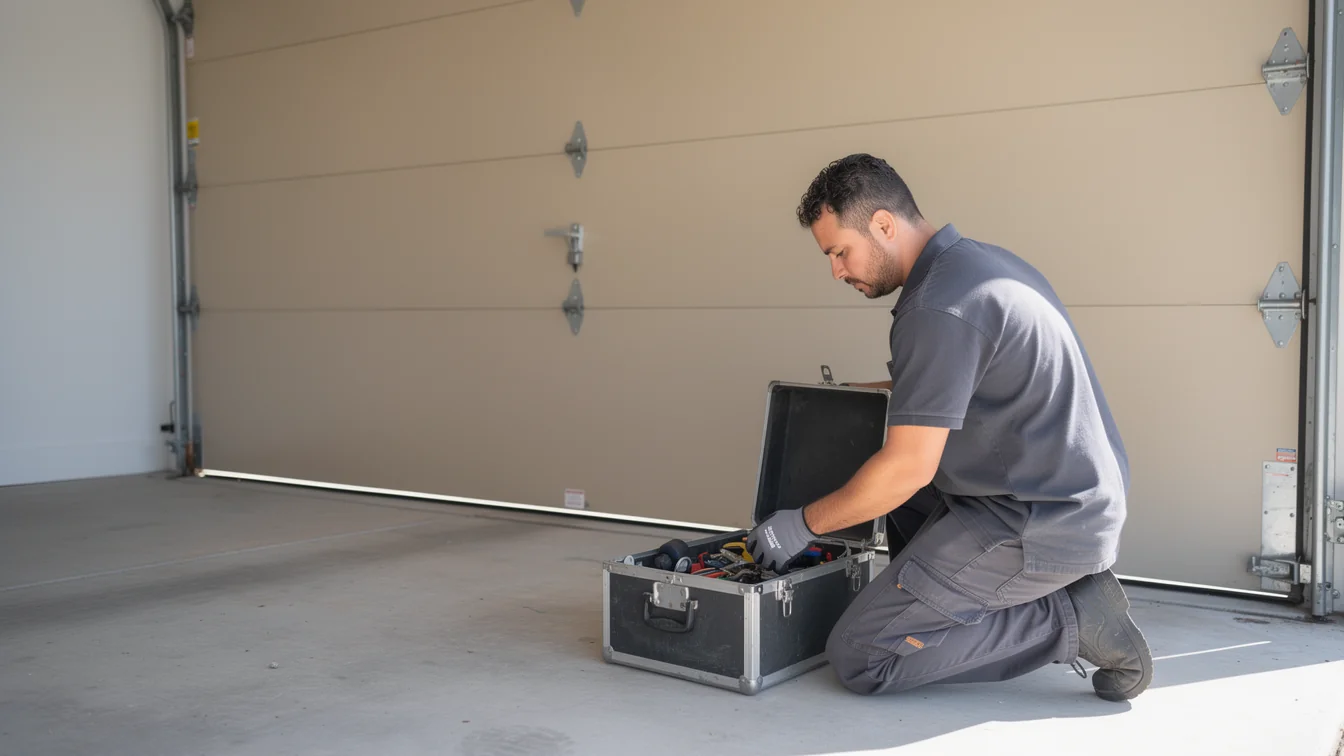
Call before you touch anything on the spring itself. A broken torsion spring under tension can cause real injury, and on a door this old you often can't tell its exact condition just by looking. If the door is noticeably heavier than a modern insulated panel, or if the opener motor labors and reverses mid-cycle, that's a job for someone with the right bars and clamps, not a weekend fix.
We'll be honest about one limit: if your door and opener are both original to a house built in the 1980s or early 90s, replacing the opener alone often isn't worth it - the drivetrain is frequently matched to spring tension and track spacing that newer openers aren't built around. In that case a full door-and-opener swap tends to cost less over time than repeated patch repairs. At the median income level for this area, that's usually a reasonable one-time budget item rather than a recurring expense.
Talk to a local pro
Garage door trouble in Saint Augustine?
Same-day service with honest, upfront quotes.