Local detail
How Local Conditions Play In
Most of the housing stock across this service area went up between 1982 and 1994, with the median build year sitting around 1987. That's not a coincidence - it lines up with the growth that filled in the six named areas we work, from Vilano Beach and St. Augustine South out to St. Augustine Shores and Anastasia. A door installed during that stretch is now pushing thirty-five to forty years old, which is past the working life of most torsion springs and the original steel rollers that came standard on builder-grade doors of that era.
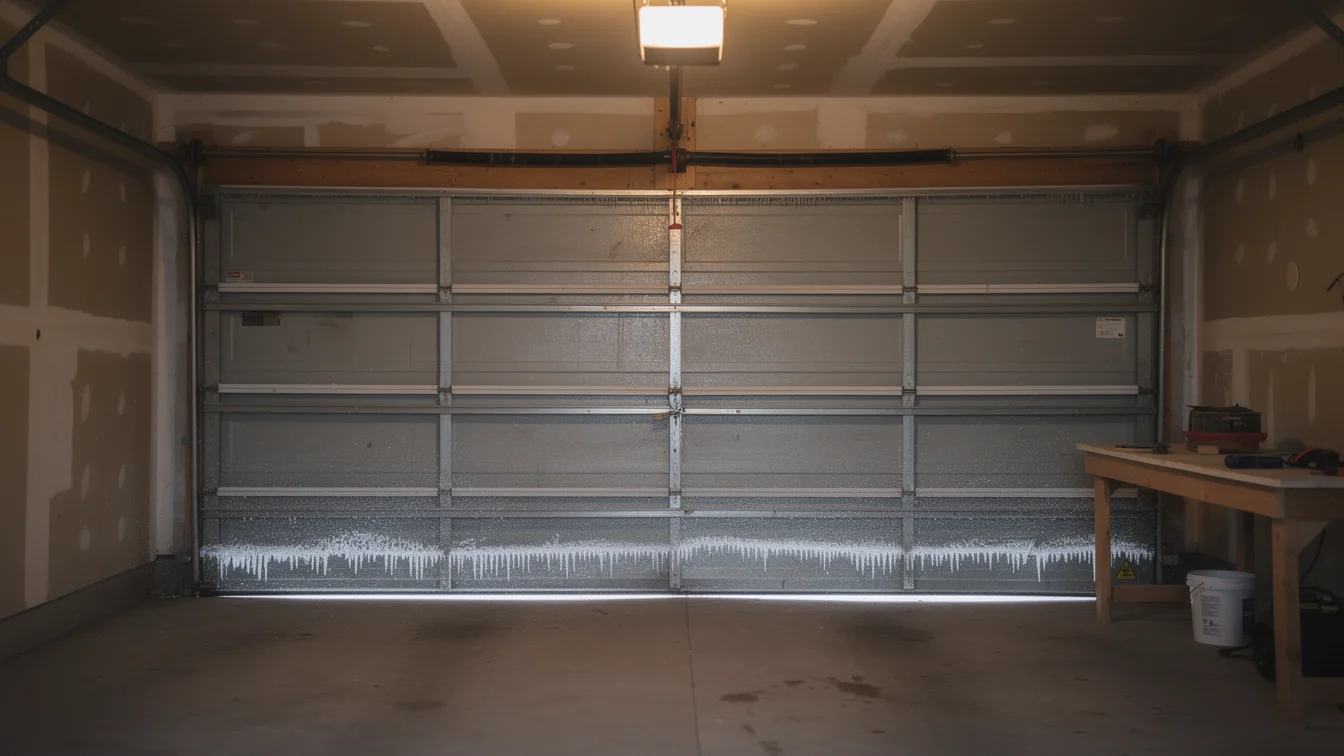
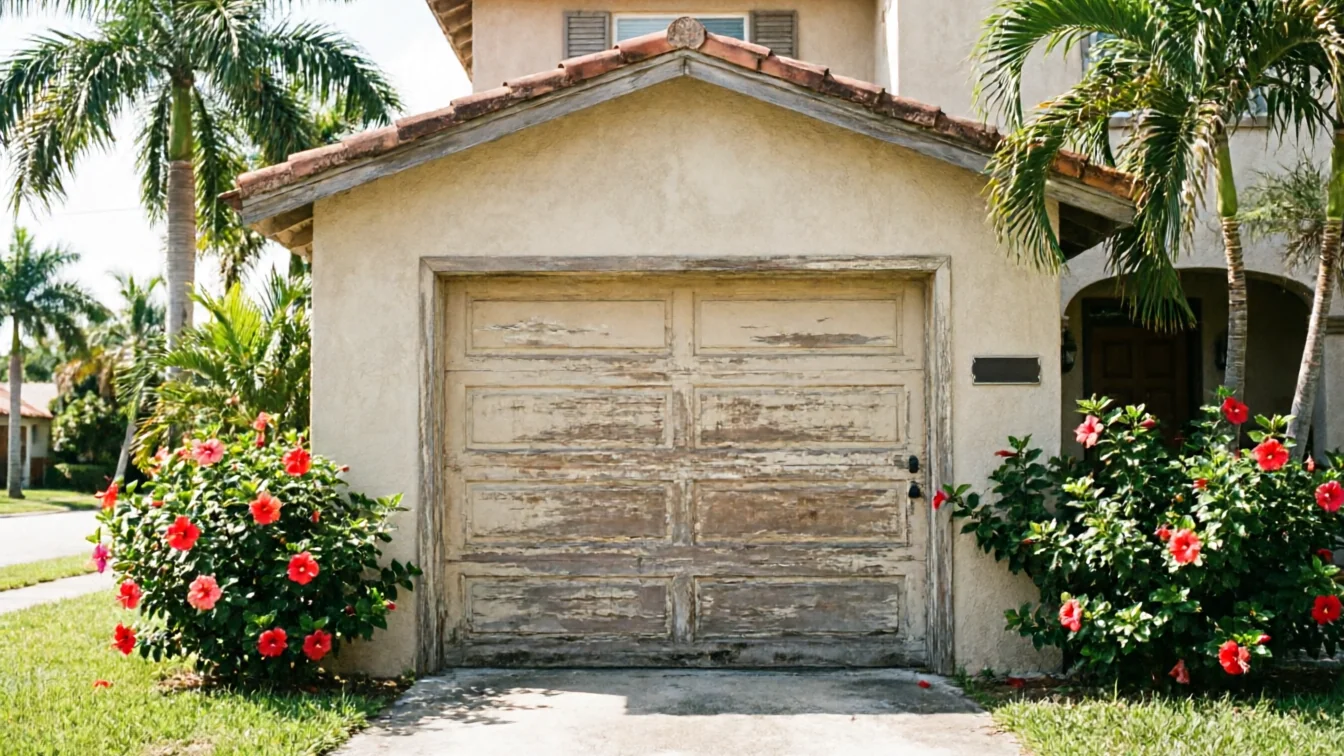
The climate here is mild temperate - no deep freezes, no heavy snow load to think about - so you're not fighting the kind of cold-weather hardware failure you'd see further north. But mild doesn't mean dry. Humidity and salt air near the coastal pockets like Vilano Beach and Butler Beach still work on exposed hardware, track bolts, and springs faster than a straight dry-climate town would see. The door itself usually outlasts its hardware here; it's the moving parts that give out first.
The area
What Is Going On
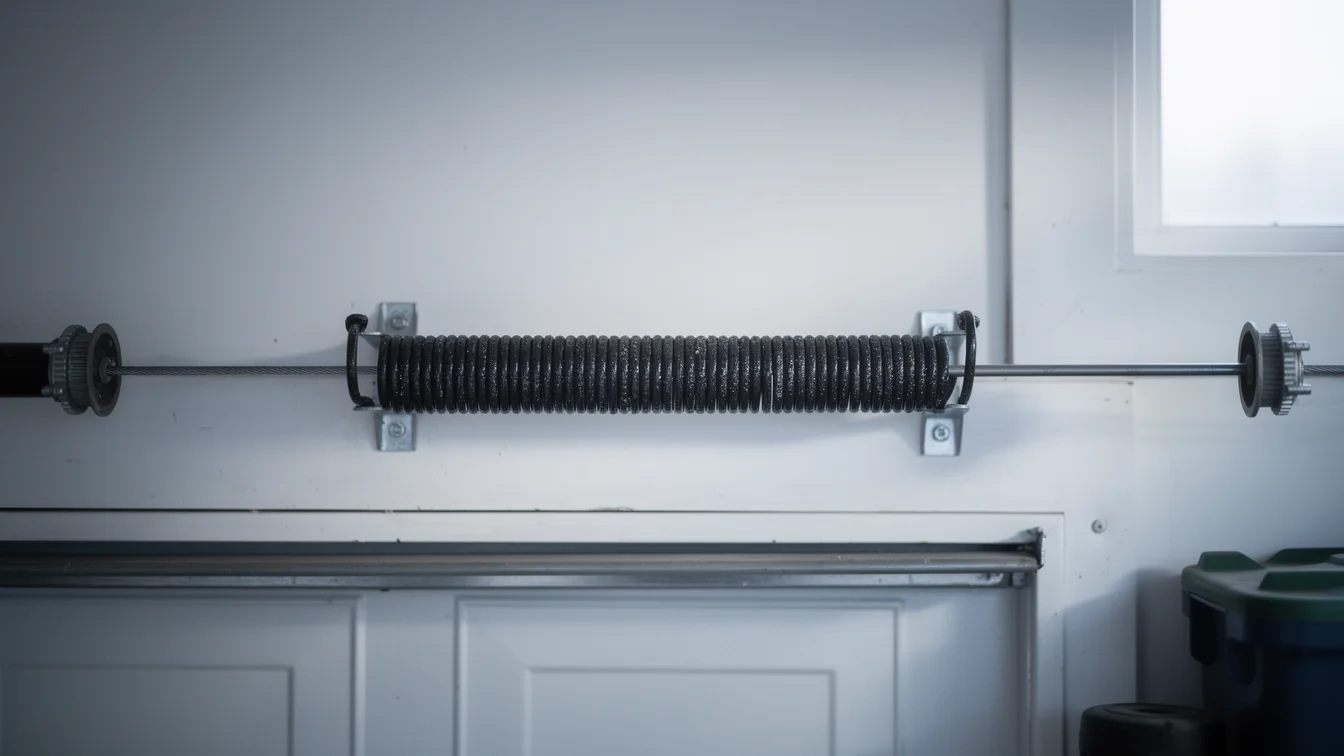
On a door from the 1982-1994 build era, the panel steel is usually still sound - it's heavier gauge than what gets installed today, and it doesn't flex or dent as easily. What fails first is almost always the torsion spring, which was rated for roughly 10,000 cycles and has likely seen two to three times that by now if the house has had one owner for thirty-plus years. Rollers made of that period's steel or early nylon blend wear grooves into the track, which shows up as a door that shudders or jumps partway through its travel.
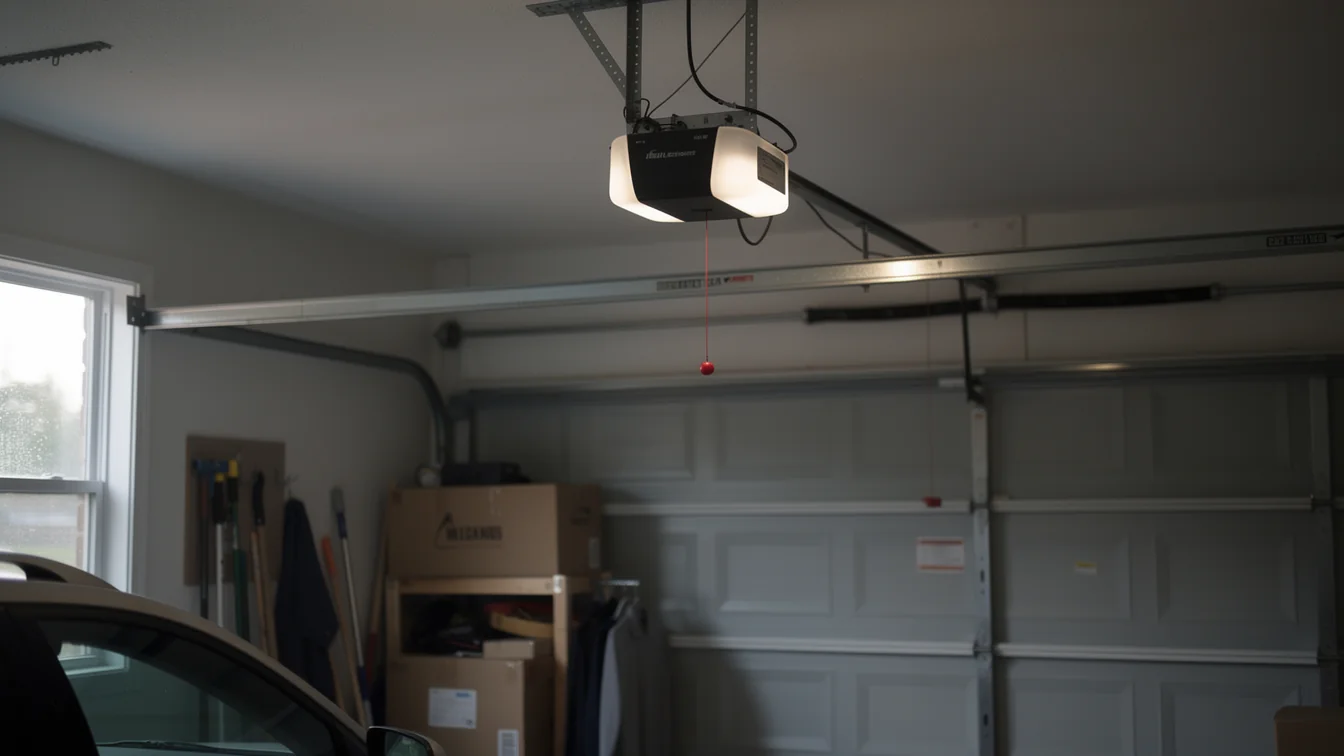
Openers from that window are a separate issue. A chain-drive unit from the late '80s or early '90s has no safety reversal sensors required by current code, and if it's still the original motor, parts to fix it likely don't exist anymore. That's usually a replace-the-opener call regardless of what shape the door panels are in.
What we find
What to Check
Start with the springs. If you can see rust pitting or the coils look stretched unevenly, that spring is near the end whether or not it's broken yet. Next, run the door by hand with the opener disconnected - a door built in the 1980s-90s stock common to this area should move smoothly on its own weight. If it drops fast or won't stay at the halfway point, the spring tension is gone and that's not a lubrication fix.
Look at the rollers where they sit in the track. Flat spots, visible rust, or a track worn into an oval shape instead of round means the rollers have been grinding metal for years. Check the bottom panel too, especially if the door faces exposed weather - salt-air corrosion on the bottom few inches of a steel panel is common in the coastal pockets of this service area and it's one thing you can't just patch.
How we work
When to Get Help
If the springs, rollers, and bottom panel are original to a house built in that 1982-1994 window and you're seeing wear in more than one of those spots at once, it's worth a call rather than a DIY fix. Springs under tension are not a safe weekend project, full stop - that's not a local quirk, that's just physics.
Here's the honest limit: if the opener is original and the door panels are original steel with no rust-through, we'll usually recommend fixing the hardware and keeping the door rather than a full replacement. The heavier steel from that era is often better than what ships standard now. But once the bottom panel has rust-through or the track is bent beyond adjustment, replacement is the better money. We don't stretch out a repair just to avoid saying that.
Talk to a local pro
Garage door trouble in Saint Augustine?
Same-day service with honest, upfront quotes.